

Blog
Flow Smarter, Not Harder
For managing system performance, flow and controlling pressure valves are crucial. But every obstruction adds resistance in the flow. This results in high pressure drop across the valves. This pressure forces the pumps to work harder, increasing energy use and system temperature. Internal leakage—especially in worn or imprecise valves—not only wastes energy but accelerates component wear, leading to higher maintenance costs. Top Valve Features That Slash Energy Waste
Right Valve, Right Job: The Key to Peak Efficiency
When you choose a valve consider efficiency and the right valve for the job apart from the cost. Ignoring the size and oversizing a valve hikes the cost and footprint without improving performance. Downgrading the size leads to throttling losses and heat generation. Selecting the proper type, size, and pressure rating ensures your system runs at its best throughout its duty cycle.
Where Valves Waste Energy—and How to Prevent It
For managing system performance, flow and controlling pressure valves are crucial. But every obstruction adds resistance in the flow. This results in high pressure drop across the valves. This pressure forces the pumps to work harder, increasing energy use and system temperature. Internal leakage—especially in worn or imprecise valves—not only wastes energy but accelerates component wear, leading to higher maintenance costs.
Top Valve Features That Slash Energy Waste
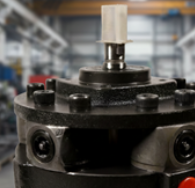
Where Valves Waste Energy—and How to Prevent It
For managing system performance, flow and controlling pressure valves are crucial. But every obstruction adds resistance in the flow. This results in high pressure drop across the valves. This pressure forces the pumps to work harder, increasing energy use and system temperature. Internal leakage—especially in worn or imprecise valves—not only wastes energy but accelerates component wear, leading to higher maintenance costs.
Top Valve Features That Slash Energy Waste